Skip to content

We pay for the planning. If it fails, you keep your land.

Call us:020 7946 0850

Track record

Example Schemes: From Farmland to Planning Permission

How land with development potential is taken through planning, what had to be solved along the way, and what it meant for the landowner. Below the examples, we explain how to check anyone's track record for yourself.

Key Figures

Planning success rate
94.8%
Planning approvals and local plan allocations
Paid to landowners
£340M+
Land payments completed across the UK
Planning costs paid by us
100%
Surveys, highways, ecology, legal and appeal costs
Homes consented
14,500+
Across growth areas in England
Cost to the landowner if planning fails
£0
You keep your land and owe nothing

Example Schemes

Select a scheme to see what was involved.

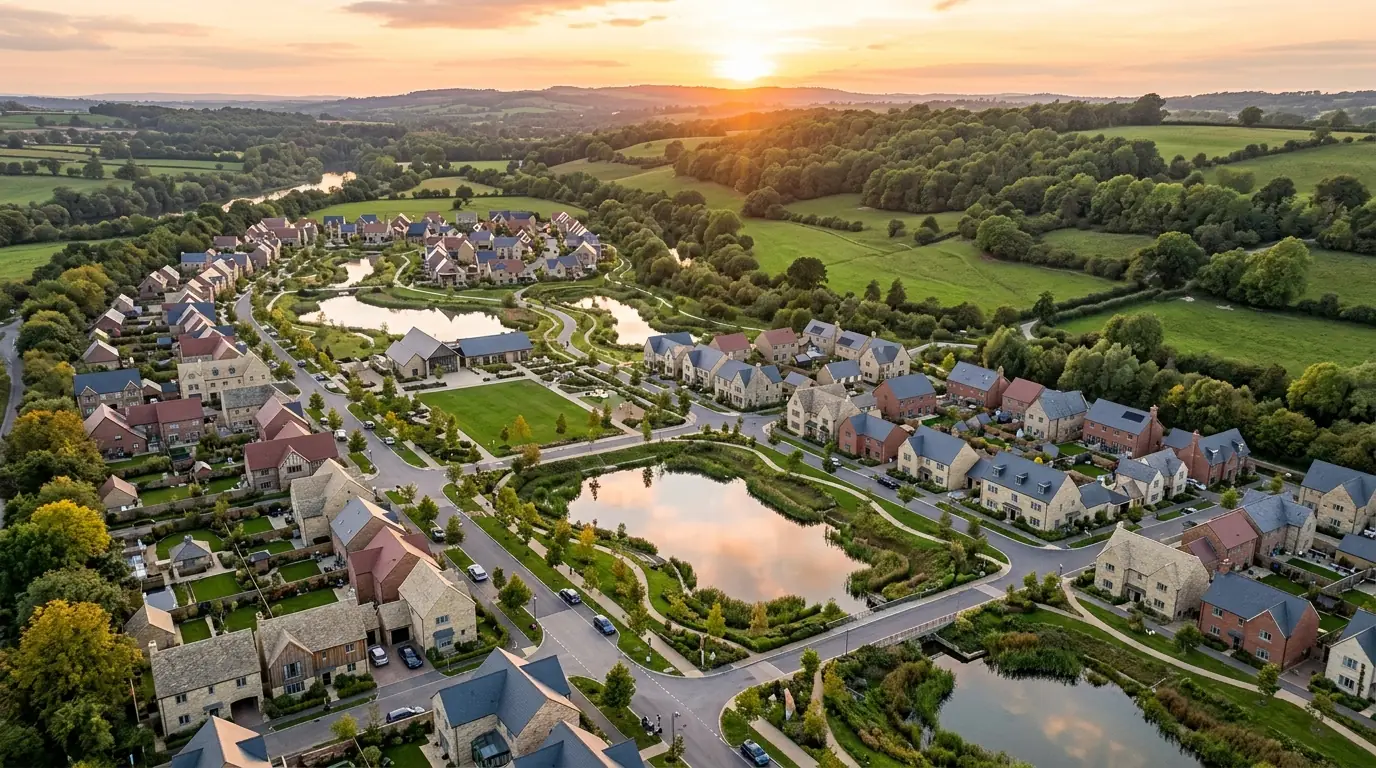
Illustrative masterplan of a residential development with homes, green space and a drainage pond

Residential Development

Stratford-upon-Avon, Stratford-on-Avon District Council

Size
28 acres
Homes
245
Timeframe
19 Months to Consent

A multi-generational farming family owned 28 acres of edge-of-settlement arable farmland. Subhan Property Group agreed an option purchase price significantly higher than current market value, fully funded £520,000 in technical highways and ecology works, and appointed dedicated selling agents upon outline consent to deliver a seamless open-market completion.

What Was Resolved

  • Highways mitigation scheme designed and funded for complex B-road roundabout junction
  • Secured 14% on-site Biodiversity Net Gain (BNG) through dedicated green infrastructure wetlands
  • Overcame initial Local Authority 5-year housing land supply contest at planning committee

Agreement: Option Agreement with 100% Planning Costs Funded

Family achieved an agreed return well above agricultural baseline, with £0 spent on technical consultants and zero planning risk.

Review my land

What a Typical Scheme Involves

Every site is different, but most follow a recognisable path from a field to a planning permission.

Understanding the Site

The first months are spent learning what the land can take. Surveyors map the boundaries, levels, trees and hedgerows. Ecologists record habitats and look for protected species, some of which can only be surveyed at certain times of year. Highways engineers work out where a safe access can go and whether nearby junctions can cope with the extra traffic. A drainage engineer looks at how surface water will be managed without increasing flood risk downstream.

Designing a Scheme the Council Can Support

The layout is shaped by what the surveys find. Hedgerows and mature trees are kept where possible, sensitive views are protected, and open space, play areas and drainage ponds are placed where they do most good. Biodiversity Net Gain is designed in from the start rather than added at the end, because it affects how much of the site can be built on.

Talking to the Council and the Community

Most schemes go through pre-application discussions with council officers, and many involve public consultation before an application is submitted. This is where local concerns about traffic, school places, surgeries and village character are heard, and where the scheme can be adjusted to address them.

The Application and the Decision

An outline application is submitted with the technical reports, and the council consults highways, drainage, ecology and other bodies. Larger or contentious schemes go to a planning committee. If permission is granted, a Section 106 agreement secures affordable housing and contributions to local infrastructure. If it is refused, the reasons are studied closely before deciding whether to appeal or revise the scheme.

After Permission

With outline permission in place, the detailed design follows later through a reserved matters application. Under our agreements, permission is the point at which we complete the purchase and the landowner receives the agreed price.

The Stages and Who Pays for Each

An illustration of a typical outline application on an edge-of-village site. Timings vary a great deal from council to council.

StageTypical lengthWho pays
Desktop review of the siteA few weeksUs, free to you
Agreement signed, your legal feesTwo to four monthsWe contribute to your solicitor and land agent
Surveys: ecology, highways, drainage, trees, heritageSix to twelve months, as some surveys are seasonalUs
Pre-application advice and community consultationTwo to six monthsUs
Outline application to decisionUsually six to twelve months for a major schemeUs
Appeal, if refused and there is a realistic caseOften a year or moreUs
Completion and paymentSet out in your agreementWe complete the purchase and you receive the agreed price

Where the route is through a local plan rather than a planning application, the timescale is set by the council's plan timetable and is usually longer. Our guide on how long planning takes explains each route in more detail.

Why Some Schemes Do Not Succeed

Being honest about failure matters as much as showing success. The most common reasons a site does not get planning permission are:

  • No safe access. The only practical route to a road does not give drivers enough visibility, or crosses land owned by someone else who will not agree terms. See our guide to access and ransom strips.
  • Landscape and heritage harm. The site is too prominent, sits in a National Landscape, or harms the setting of a listed building or conservation area.
  • Flooding and drainage. Too much of the site is at risk of flooding, or surface water cannot be managed without making things worse downstream.
  • The council does not need it yet. The council is meeting its housing needs through allocated sites, and the land is not well enough related to the settlement to succeed on its own merits.
  • Infrastructure. Schools, roads or sewage treatment are at capacity and the scheme cannot fund a solution.

Most of these can be spotted in a desktop review. That is why we look before we agree anything, and why we sometimes tell landowners that now is not the right time.

How to Check Anyone's Track Record

Whoever you talk to, including us, you should be able to verify what they say. These checks take minutes.

  1. Ask for planning references. Every planning application in England has a reference number on the council's planning portal. A genuine scheme can be looked up, with the decision notice, the reports and the applicant's name.
  2. Check Companies House. Search the company name to see who the directors are, how long the company has existed and whether its accounts are filed on time.
  3. Check professional registers. Anyone describing themselves as a chartered surveyor should appear in the RICS directory. Town planners who are chartered members of the RTPI use the letters MRTPI.
  4. Speak to past landowners. A promoter or option buyer with a real track record will usually be able to put you in touch with a landowner they have worked with, with that landowner's permission.
  5. Ask who pays for what. Get a clear written answer on who pays for planning, appeals, your legal fees and any costs if the agreement ends.

If anyone is reluctant to answer these questions, treat that as a warning sign.

What We Will Show You

When you speak to us, we will show you the planning references for schemes our team has taken through planning, so that you can look them up yourself. We will also explain how the agreement protects you, and what happens if the council refuses permission.

We are equally happy to talk through sites that did not succeed, and why. Understanding what goes wrong is often more useful than a list of successes.

Questions About Our Track Record

Can I visit a scheme you have worked on?

Where a scheme has been built or is being built, we can tell you where it is so you can see it for yourself.

How often do schemes get refused?

Refusals happen, even on good sites. That is why the planning risk sits with us, not you, and why appeals are paid for on your behalf.

What happens to my agreement if a scheme is refused?

The refusal is reviewed and, where there is a realistic case, an appeal or a revised application is paid for on your behalf. If planning is not achieved by the end of the option period, the agreement ends, you keep your land and you owe nothing.

Do you only work on large sites?

No. Many of the sites we look at are a few acres on the edge of a village. National policy now expects councils to find more homes on small and medium sites.

Could Your Land Be Next?

A free, confidential desktop review of your land. No cost and no obligation.